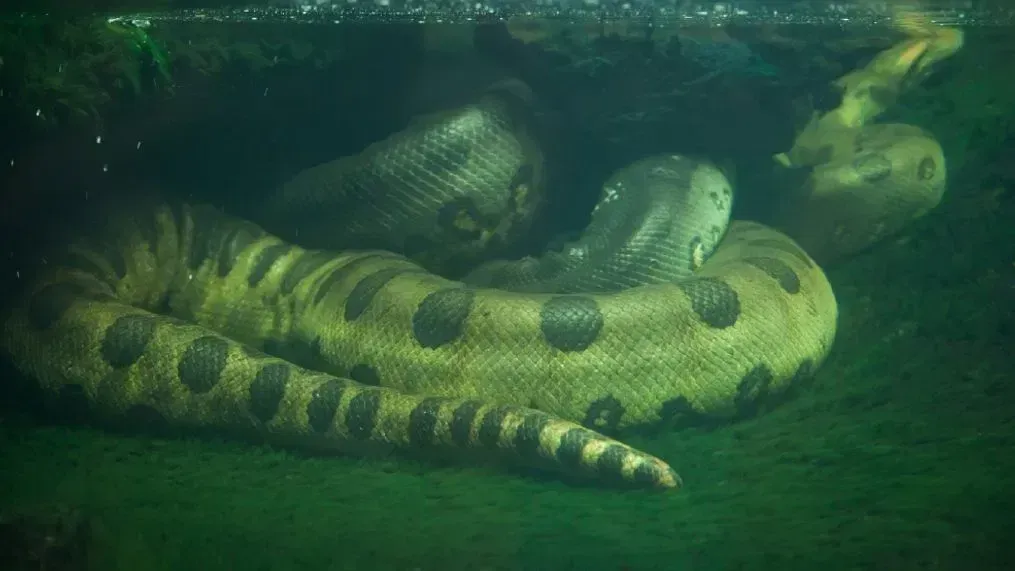
Innovative survey methods have revolutionized how researchers study these elusive giants without harming them. Non-invasive genetic swabbing of sloughed skin and environmental DNA (eDNA) sampling from water bodies allow scientists to detect E. akayima’s presence across vast river networks. Combining these molecular tools with drone-mounted thermal cameras has accelerated population monitoring, minimizing disturbance to fragile wetland habitats.